Rebuilding a knee after an ACL reconstruction is a process that requires far more than just time. While surgery provides the structural foundation, the subsequent rehabilitation determines whether an athlete returns to their previous level of performance or remains at a heightened risk for secondary injury. At Apex Injury Clinic, we recognise a significant disparity between basic functional recovery and true athletic readiness.
A common challenge for many patients is the transition from early-stage recovery to the high-intensity demands of sport. While the NHS provides an essential service, its primary objective is often centred on restoring daily function, such as walking and climbing stairs. This often leads to patients being discharged once they are functional, leaving a critical gap in the mid-to-late stages of recovery.
The Six-Month Threshold
The six-month mark is frequently cited as a milestone in ACL recovery, but it is also a period of significant risk. This is often when athletes feel strong enough to return to running and change of direction, yet their neuromuscular control and limb symmetry may still be insufficient for the chaotic environment of competitive sport.
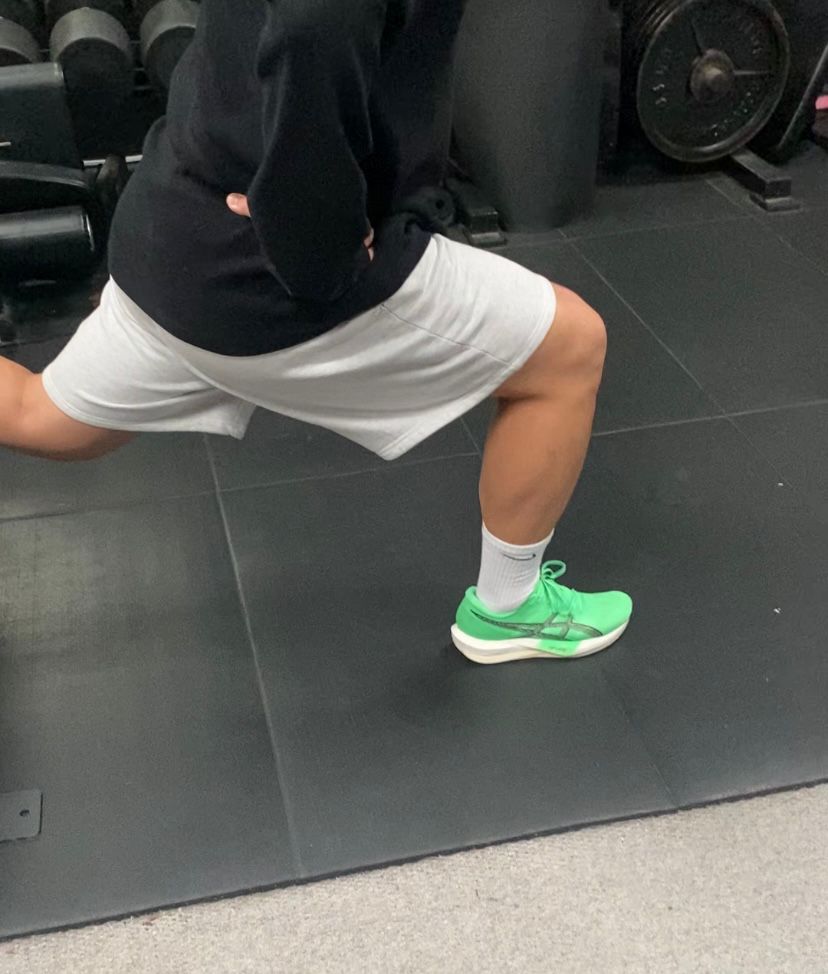
At Apex Injury Clinic, our involvement begins long before this transition. We work with clients in the early and middle phases of recovery to ensure that rehabilitation is sufficiently progressive. It is not enough to simply perform repetitions; the loading must be high enough to force physiological adaptation and genuine strength gains. We ensure that the intensity of your programme matches the demands of your sport, preventing the common plateau where an athlete feels "good" but lacks the raw power and stability required for pivoting and jumping.
Impact of Graft Selection on Rehabilitation
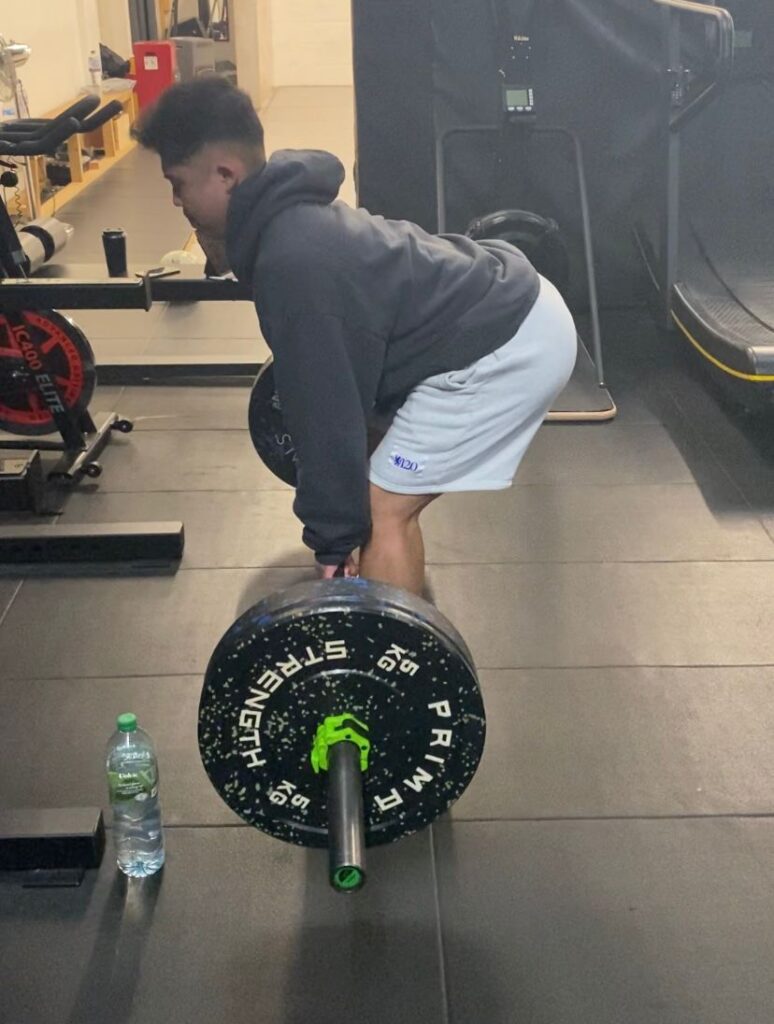
The specific tissue used for the reconstruction—whether it be the hamstring tendon, patellar tendon, or quadriceps tendon—dictates the priorities of your strength programme. Each graft type presents unique challenges. For instance, a hamstring graft requires a more intensive focus on eccentric strengthening of the posterior chain, while a quadriceps or patellar graft demands specific management of the extensor mechanism. We tailor the resistance profile of your exercises to account for these donor-site considerations, ensuring that the surrounding musculature is robust enough to protect the new ligament.
The Necessity of Objective Metrics
Deciding when to return to play should never be based on a timeline or a subjective feeling of readiness. Research indicates that athletes who clear objective, data-driven benchmarks significantly reduce their risk of graft reinjury. We utilise a comprehensive battery of tests to measure limb symmetry, ensuring that the surgical leg has recovered at least 90% of the strength and power of the uninvolved side.
While your progress will be unique to your injury and sport, our assessment process focuses on several key indicators of joint stability:
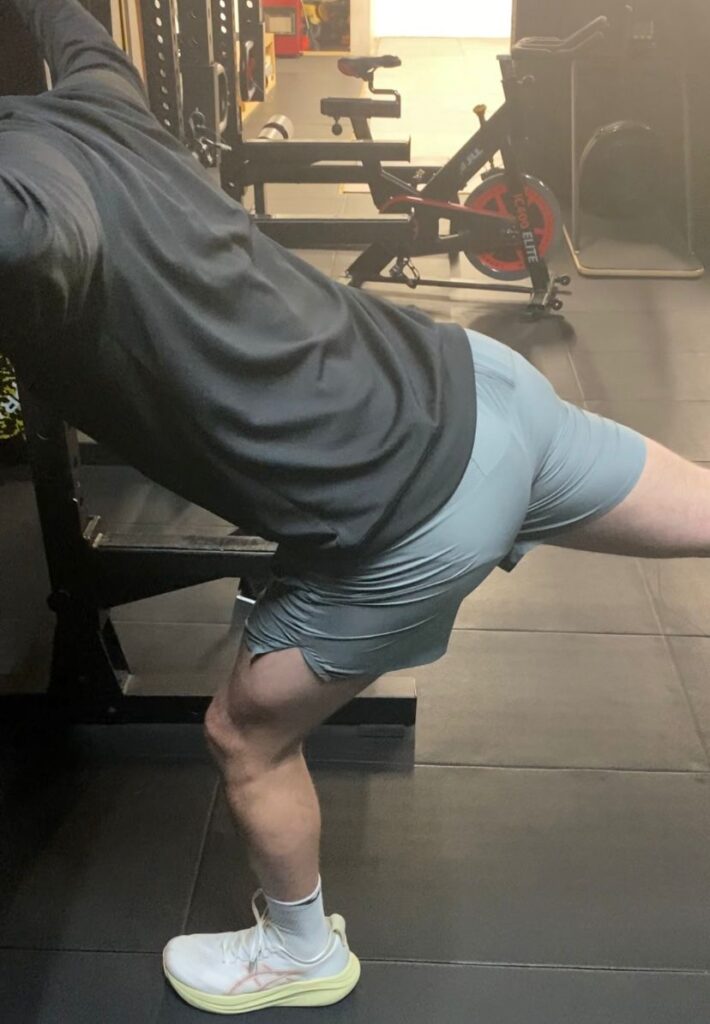
Muscular Power and Elasticity: In sport, your muscles must act as shock absorbers. If the surgical leg cannot absorb force as efficiently as the healthy leg, the stress is transferred directly to the joint and the new graft. We measure how you land from a jump and how quickly you can transition from a landing into another movement. If there is a significant discrepancy in power output between your legs, it indicates that your body is still over-compensating, which is a leading cause of secondary injury.
Rate of Force Development: In a competitive environment, you often have less than 100 milliseconds to stabilise your knee during a sudden change of direction. Having a strong leg is only useful if the muscles can recruit that strength fast enough. We look at the "rate of force development"—essentially, how explosive your muscle contractions are. This is particularly vital for those with hamstring or quadriceps grafts, as the donor site often requires specific, high-velocity training to regain its pre-injury reactive speed.
Fatigue Resistance and Control: Many ACL injuries occur in the final minutes of a match when fatigue sets in. We test your movement quality not just when you are fresh, but also under metabolic stress. If your landing mechanics or limb symmetry scores drop significantly once you are tired, it suggests that your game fitness is not yet robust enough to protect the graft during a full 90-minute performance.
By moving away from guesswork and relying on measurable performance data, we provide a clear, evidence-based pathway for a safe and successful return to competition. If you are currently navigating the recovery process and want to ensure your rehabilitation is meeting the necessary benchmarks, we can provide a comprehensive assessment of your current progress. Drop us an email and be in safe hands with your ACL rehabilitation.